

Quick Summary
This guide outlines three key steps trustees must follow when signing real estate documents: verifying authority, using proper procedures, and ensuring compliance. You’ll also find best practices to reduce risk and streamline transactions. With SignWell’s secure eSignature solution, your documents stay accurate, compliant, and legally binding. Explore more tips and in-depth guides on our blog.
Wondering How a Trustee Signs Real Estate Documents?
A trustee’s signature carries the authority to act on behalf of the trust. Understanding how trustees should sign these documents is essential for compliance and legality.
In this SignWell guide, we break down the proper way to sign real estate documents and share best practices.
Why Listen to Us?
SignWell is a trusted eSignature platform, and over 65,000 businesses rely on it for its user-friendly interface and robust features. We offer legally binding electronic signatures, detailed audit trails, and seamless integration with more than 5,000 applications.

With customizable templates and automated workflows, our platform streamlines document signing, enhancing efficiency and compliance.
What Is a Trustee’s Role in Signing Real Estate Documents?
When signing real estate documents, the trustee’s role is to act on behalf of the trust’s beneficiaries. They are responsible for ensuring the property transaction aligns with the trust’s terms and legal requirements.
The trustee must sign the documents in a way that reflects their fiduciary duty, indicating they are acting for the trust. This includes executing deeds, contracts, and other legal papers required for real estate transfers.
By signing, the trustee legally binds the trust and its beneficiaries to the transaction, ensuring proper management and protection of assets.
Why Is a Trustee’s Signature Important in Real Estate Documents?
- Legal Authority: Confirms the trustee has the right to act on behalf of the trust and its beneficiaries.
- Fiduciary Responsibility: Ensures the trustee is acting in the best interests of the beneficiaries.
- Binding Agreement: Legally binds the trust to the terms of the real estate transaction, ensuring it is valid and enforceable.
- Compliance: Ensures the transaction follows legal and regulatory requirements, protecting the trust and its assets.
How Does a Trustee Sign Real Estate Documents?
1. Verify Trustee Authority
Before signing real estate documents, verify that the trustee has the legal authority to act on behalf of the trust and its beneficiaries.
- Trust Documents: The trustee’s authority should be clearly outlined in the trust agreement, specifying which assets they can manage and under what circumstances they can act.
- State Laws: Trustees must follow state-specific laws governing trusts to ensure their role complies with local requirements.
- Trustee Identification: Confirm the trustee is properly identified in the documents. Any ambiguity could raise legal issues or invalidate the transaction.
At SignWell, our secure platform can streamline this process. It allows for secure document sharing and ensures that only authorized individuals can access and sign documents.
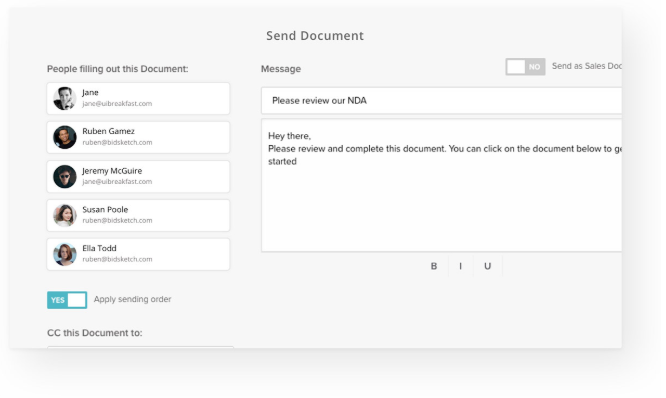
This adds an extra layer of protection, preventing unauthorized actions while ensuring legal compliance.
2. Follow Proper Signing Procedures
Once a trustee’s authority is verified, they must follow the correct procedures when signing real estate documents to prevent legal complications and ensure the transaction remains valid.
- Document Preparation: Ensure all documents are accurate before signing by verifying property details, buyer and seller information, and transaction terms.
- Signature Placement: Sign in the designated areas, typically labeled “Trustee’s Signature” or “Authorized Signatory,” ensuring clarity and consistency with the trustee’s role.
- Witnesses and Notarization: Some documents may require a witness or notarization, depending on the jurisdiction. Ensure all necessary parties are present to avoid delays.
Using SignWell streamlines this process. Trustees can digitally sign documents securely without printing, scanning, or mailing copies.
Our platform guides them through each step, allowing documents to be signed and submitted quickly, safely, and in full compliance with legal standards.

Our audit trail and eSignature validation record every step, creating a legally binding record of the trustee’s actions.
3. Ensure Legal and Compliance Checks
After the trustee signs the documents, confirm that all legal and compliance requirements are met to validate and enforce the transaction.
- Review Legal Requirements: Check that all signatures, dates, and necessary documents are included. Missing information can delay or invalidate the transaction.
- Jurisdiction Compliance: Ensure the document adheres to state-specific legal requirements, as rules for trust transactions can vary.
- Audit Trail and Record-Keeping: Keep a record of the entire signing process, including timestamps, signers, and any updates. This maintains compliance and provides evidence if needed.
SignWell helps maintain compliance in the real estate industry, accelerates transactions, and enhances client experience. Features like bulk sending, customizable reminders, and mobile-friendly signing streamline workflows for agents, brokers, and property managers.

Additionally, our secure platform legally binds all signatures under U.S. and international eSignature laws. Using SignWell reduces compliance risks, protects the trust’s interests, and streamlines the entire process.

This ensures transactions close smoothly and without legal setbacks.
Best Practices for Trustees Signing Real Estate Documents
- Verify Authority Early: Confirm the trustee has the legal right to act on behalf of the trust before any real estate transaction. This prevents delays and ensures the trustee’s signature remains valid.
- Document Integrity: Ensure all documents are complete, accurate, and compliant with legal standards. Missing or incorrect information can jeopardize the transaction.
- Use Secure Platforms: Trusted eSignature solutions like SignWell provide a tamper-proof audit trail, keeping the signing process secure and legally binding.
- Maintain Clear Communication: Keep trustees, beneficiaries, legal advisors, and agents aligned. Clear communication reduces errors and misunderstandings.
- Regularly Update Trust Documents: Review and update trust documents to reflect current intentions and legal requirements, preventing complications in future transactions.
This helps complete real estate transactions smoothly, avoiding legal or procedural setbacks.
Use SignWell to Streamline Signing Essential Documents
We’ve outlined the key steps a trustee must take when signing real estate documents, from verifying authority to ensuring full compliance. Each step is essential for keeping the transaction legally secure and efficient.
At SignWell, our eSignature solution streamlines this process with features like audit trails and integrations, simplifying transactions and keeping everything documented and compliant.
Get started with SignWell for free and simplify your real estate document signing today!